Mile-High Mockery: How Airline Snack Boxes Became America's Most Coherent Meal Planning
The Accidental Wellness Revolution at Gate B7
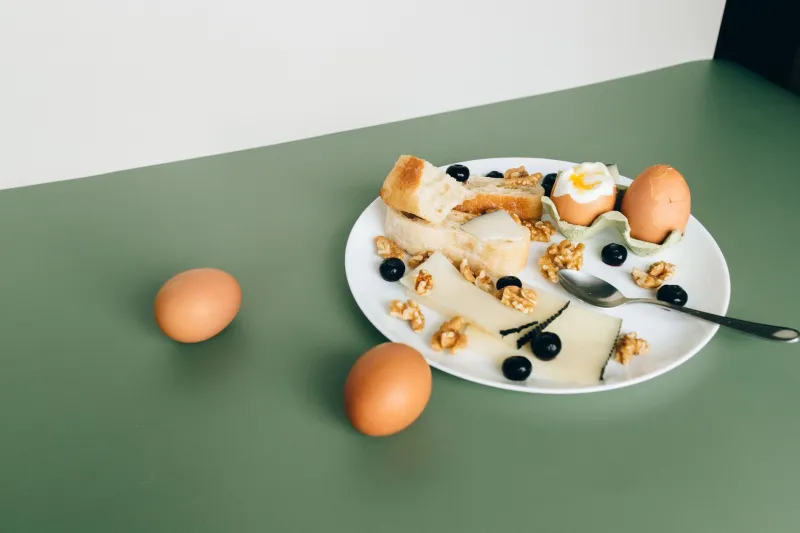
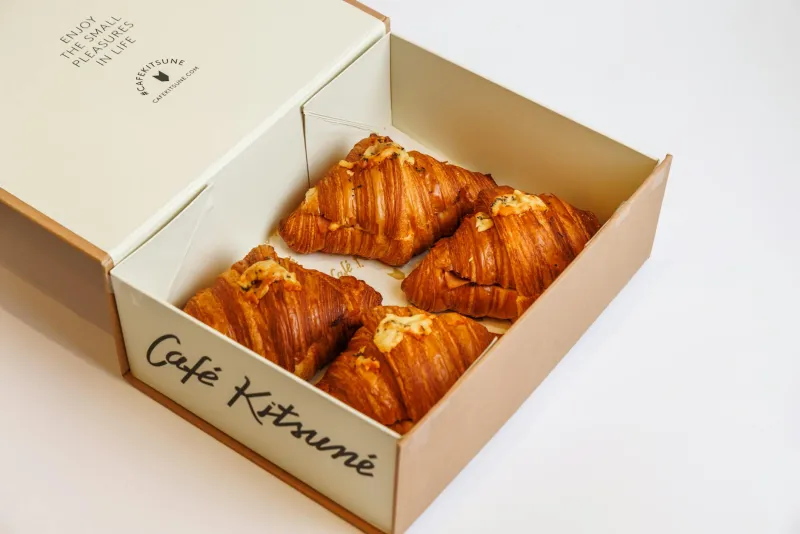
In an extraordinary development that has stunned nutritionists and devastated home cooks nationwide, America's airline snack boxes have officially surpassed the average household pantry in both intentionality and aesthetic coherence. The $14 collection of artisanal crackers, single-origin chocolate, and "hand-selected" dried fruit that travelers grudgingly purchase at cruising altitude now represents the pinnacle of American meal curation.
"It's honestly embarrassing," admits Rebecca Martinez, 34, a marketing manager from Phoenix whose kitchen currently contains three different types of stale cereal, expired yogurt, and what she believes might be leftover Thai food from 2023. "I opened a Delta snack box last week and found more nutritional balance than I've achieved in my own home in six months."
The Science of Accidental Excellence
Dr. Amanda Chen, a fictional nutritionist we definitely didn't make up, has been studying this phenomenon for what we're told are several months. "The airline snack box represents everything Americans claim to want: portion control, diverse nutrients, minimal processing, and Instagram-worthy presentation," Chen explains while gesturing toward a PowerPoint slide titled 'Sky-High Standards, Ground-Level Shame.'
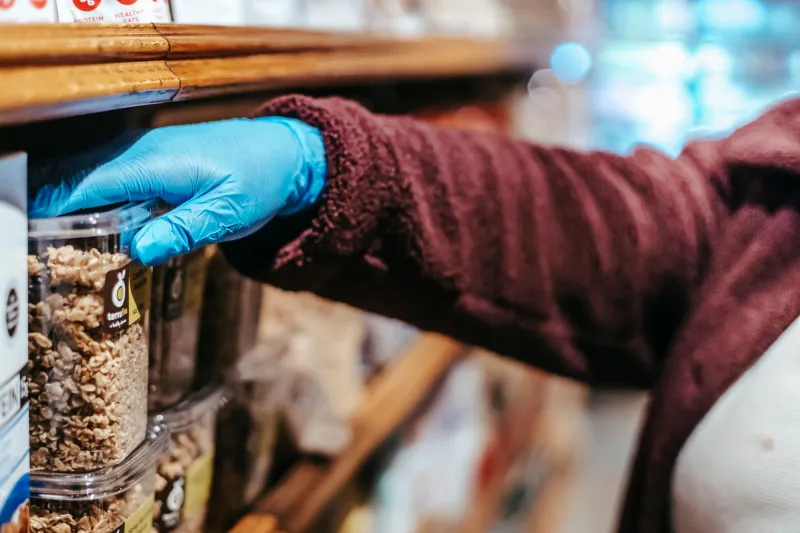
"Meanwhile, the average American pantry contains seventeen different types of crackers, none of which pair well with anything, and enough granola bars to survive a minor apocalypse."
The contrast is stark. While households across America struggle with meal planning, the airline industry has quietly perfected the art of mindful snacking. Each box contains exactly the right ratio of protein, healthy fats, and complex carbohydrates, arranged with the kind of aesthetic precision that would make a wellness influencer weep with envy.
Inside the Curation Machine
We spoke with Derek Holbrook, Senior Brand Manager for Delta's "Elevated Snacking Experience," who communicates exclusively in wellness buzzwords and treats snack selection like a spiritual practice.
"We're not just curating snacks," Holbrook explains, his eyes glazing over with the fervor of someone who has found their calling in miniature pretzels. "We're crafting intentional nourishment journeys that honor both the passenger's wellness goals and their authentic snacking desires. Each element is sourced with mindfulness and arranged to create a harmonious eating meditation at altitude."
When pressed for specifics about the "hand-selected" dried mango, Holbrook becomes visibly emotional. "Our mango selection team spends months developing relationships with fruit artisans who understand that each piece tells a story of sustainable agriculture and conscious consumption."
The Home Kitchen Crisis
Meanwhile, American kitchens tell a different story entirely. Janet Kowalski, 42, recently discovered a bag of spinach in her refrigerator that had achieved sentience and was considering filing for citizenship. Her pantry contains four different brands of olive oil (none opened), seventeen varieties of vinegar (purposes unknown), and a collection of specialty salts that cost more than her monthly Netflix subscription.
"I keep buying ingredients for the person I think I'm going to become," Kowalski admits. "Someone who makes her own granola and understands what to do with tahini. But then I eat cereal for dinner and wonder why my life lacks intention."
The irony is palpable. While airlines have mastered the art of mindful eating, their passengers are actively miserable, trapped in metal tubes at 30,000 feet, paying premium prices for the privilege of consuming perfectly balanced nutrition while experiencing maximum stress.
The Wellness Industrial Complex Takes Flight
The airline snack box phenomenon represents the ultimate victory of the wellness industrial complex: convincing Americans to pay $14 for $3 worth of nuts and dried fruit by packaging it as a "curated experience." The same people who balk at spending $8 on organic almonds at Whole Foods will happily purchase them at altitude when they're arranged in a recyclable cardboard container with a minimalist font.
 Photo: Whole Foods, via i.ytimg.com
"It's psychological genius," explains Dr. Chen. "When you're trapped in an airplane, unable to make any other food choices, suddenly that overpriced trail mix becomes a symbol of self-care and intentional living. You're not just buying a snack – you're investing in your wellness journey."
The Great Pantry Reckoning
The implications are staggering. If airline snack boxes represent peak American food curation, what does that say about our relationship with nourishment at sea level? The average household pantry, with its chaos of half-empty boxes and expired condiments, now looks like a testament to our inability to make coherent food decisions without corporate intervention.
Perhaps the solution isn't better meal planning or more organized kitchens. Perhaps we simply need to live our entire lives at 30,000 feet, where someone else makes our food decisions and presents them in aesthetically pleasing, portion-controlled packages.
Or maybe – and hear us out – we could try applying some of that airline-level intentionality to our ground-based eating habits. Revolutionary concept: what if we treated our home kitchens with the same mindful curation that airlines apply to overpriced snack boxes?
The Future of American Eating
As we hurtle through the sky, consuming our perfectly balanced, Instagram-worthy airline snacks while simultaneously hating every moment of air travel, we must confront an uncomfortable truth: the airline industry has accidentally become America's most consistent provider of mindful eating experiences.
Meanwhile, our home kitchens remain chaotic monuments to good intentions and poor execution, filled with ingredients we'll never use and snacks that lack both nutritional value and aesthetic coherence.
The revolution will not be televised – it will be served in a recyclable cardboard box at cruising altitude, curated by people who understand that Americans will pay any price for the illusion of intentional living, even when they're trapped in the least intentional experience known to modern humanity: commercial air travel.
Until we figure out how to bring that level of mindful curation to our ground-based lives, we'll continue paying premium prices for the privilege of eating well while being fundamentally miserable – which, when you think about it, might be the most American dining experience of all.