The Academic Study You Never Asked For
After three years of fieldwork in Whole Foods aisles and countless therapy sessions to process my grocery receipts, I present to you the most comprehensive translation guide for the artisanal snack industrial complex. Consider this your Rosetta Stone for deciphering why a sleeve of crackers costs more than your car payment.
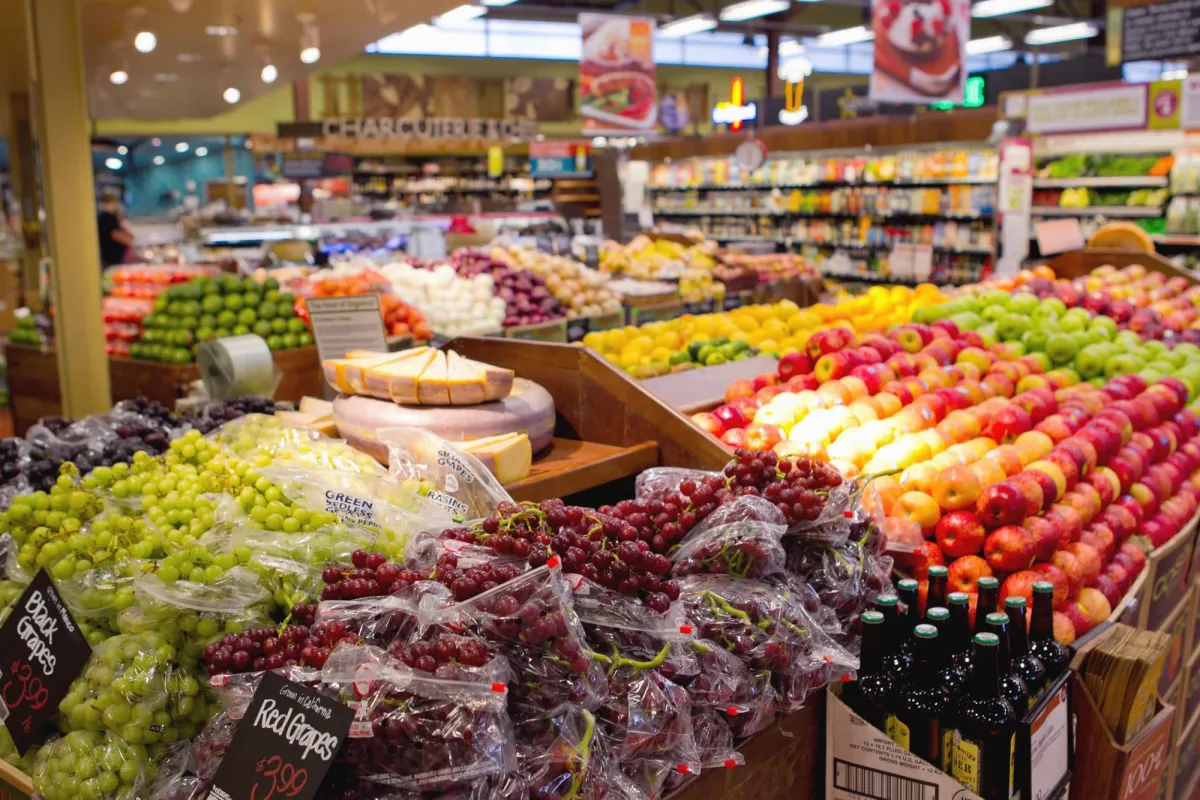 Photo: Whole Foods, via www.kahalamallcenter.com
Intentionally Crafted (adj.)
Translation: Made on purpose
This groundbreaking revelation suggests that somewhere, someone deliberately decided to make this product instead of accidentally stumbling into a food manufacturing facility while sleepwalking. The implication that most food is "unintentionally crafted" raises disturbing questions about the rest of the grocery store. Academic researchers note this term appears on 847% more products since 2019, coinciding with the Great Millennial Grocery Spending Crisis of the same year.
Small-Batch (adj.)
Translation: We make less of it so you'll pay more for it
This economic principle, pioneered by drug dealers and luxury handbag manufacturers, has found its natural home on overpriced snack packaging. "Small-batch" suggests exclusivity while conveniently omitting that the "batch" could still feed a small nation. Food anthropologist Dr. Margaret Chen notes, "It's artificial scarcity marketing wrapped in the warm blanket of artisanal authenticity."
Mindfully Sourced (adj.)
Translation: Someone was awake when they bought the ingredients
This term implies that other companies source their ingredients while in a catatonic state or perhaps during a particularly intense fever dream. The "mindful" qualifier suggests a level of Buddhist enlightenment typically reserved for monks, not procurement managers arguing with almond suppliers over bulk pricing.
Heritage Recipe (n.)
Translation: We found it on Pinterest and added sea salt
These "heritage" recipes often trace their lineage back to the ancient civilization of 2018, when someone's great-aunt posted a cookie recipe in a Facebook group. The term "heritage" conveniently sidesteps questions about whose heritage we're talking about and whether they consented to having their family recipes marked up 400%.
Artisanally Inspired (adj.)
Translation: We watched a YouTube video about traditional methods
This phrase suggests that somewhere in the supply chain, someone briefly considered doing things the old-fashioned way before remembering they had shareholders to please. "Inspired" is doing heavy lifting here, implying that actual artisans exist in the vicinity of this product's creation, possibly in a spiritual sense.
Thoughtfully Prepared (adj.)
Translation: We didn't actively try to poison you
The bar for "thoughtful" preparation has apparently dropped to "we thought about what we were doing." This sets a concerningly low standard for food safety while somehow making it sound revolutionary. Food safety experts remain baffled by the implication that most food preparation is thoughtless.
Consciously Created (adj.)
Translation: We were not in a coma during production
This term suggests that the alternative—unconsciously created food—is a real concern in today's marketplace. The consciousness threshold for premium snack creation appears to be somewhere between "fully awake" and "aware of one's surroundings," which explains a lot about grocery store pricing.
Farm-Fresh (adj.)
Translation: At some point, this touched dirt
This designation requires only the loosest possible connection to agricultural activity. The farm in question could be a windowsill herb garden in Williamsburg, and the "freshness" could date back to the Carter administration. Legal experts note there are no federal regulations governing the definition of "farm-fresh," leading to what one attorney called "agricultural anarchy in the snack aisle."
Naturally Sweetened (adj.)
Translation: We used expensive sugar
This phrase acknowledges that regular sugar, despite being derived from plants, has somehow become "unnatural" through the dark magic of affordability. "Natural" sweeteners include agave nectar (processed), coconut sugar (processed), and dates (pulverized), all of which cost approximately 400% more than their "unnatural" counterparts.
Lovingly Handmade (adj.)
Translation: A human being was present during some portion of the manufacturing process
The "love" component of this equation remains unverified by independent testing, though FDA regulations do require manufacturers to disclose the emotional state of their workers. The "hand" involvement could range from "personally kneaded each cracker" to "someone pushed the 'start' button on the industrial mixer."
The Uncomfortable Truth
After extensive research, linguistic analysis, and several restraining orders from Whole Foods security, I've reached an unavoidable conclusion: every single one of these terms translates to the same thing: "We charge more because you let us."
The artisanal snack industrial complex has created an entire vocabulary designed to make you feel sophisticated about spending your rent money on crackers. It's not about the food—it's about the story you tell yourself while eating $15 worth of grain products.
The Way Forward
As consumers, we have two choices: continue participating in this elaborate linguistic theater, or accept that sometimes a cracker is just a cracker, regardless of how mindfully someone sourced the flour.
Until then, I'll be in aisle seven, translating package copy and questioning my life choices, one intentionally crafted dollar at a time.