The Eleven Stages of Grief When Your Table Orders 'Family Style' and You Realize You're About to Starve
Stage 1: Naive Optimism
It starts innocently enough. Someone at your table—let's call her Jessica because it's always a Jessica—suggests ordering "a few things for the table." The server's eyes light up with the predatory gleam of someone who knows they're about to witness a slow-motion social catastrophe. You think, This could be fun! We're cosmopolitan adults who can share food like civilized humans.
You are wrong.
Stage 2: The False Consensus
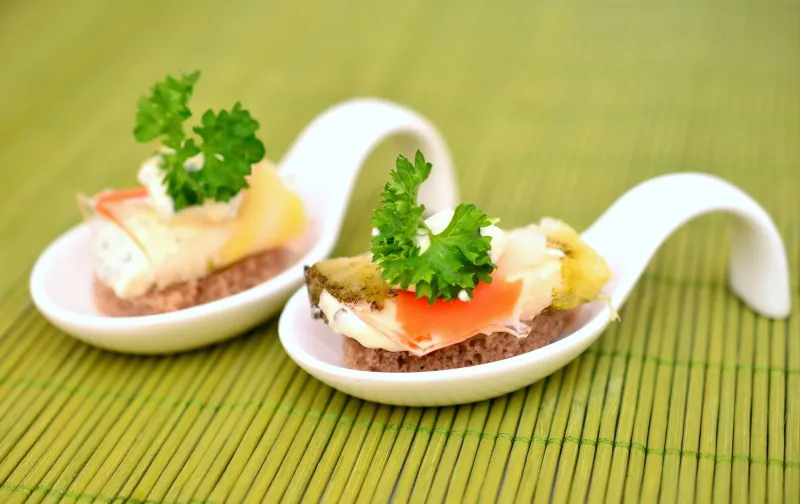
Everyone nods enthusiastically as Jessica rattles off menu items with the confidence of someone who has never actually had to split a $14 "small plate" of three Brussels sprouts among six people. "The burrata sounds amazing," someone chimes in. "And definitely the octopus." The server scribbles notes while mentally calculating their tip percentage, which is about to plummet faster than your blood sugar.
Stage 3: Mathematical Panic
As the server walks away, your brain starts doing the math. Six people. Three appetizers. That's half a dish per person, assuming everyone eats exactly the same amount, which is about as likely as finding a parking spot within three blocks of this place. You begin to understand why your grandmother hoarded dinner rolls.
Stage 4: The Positioning Wars
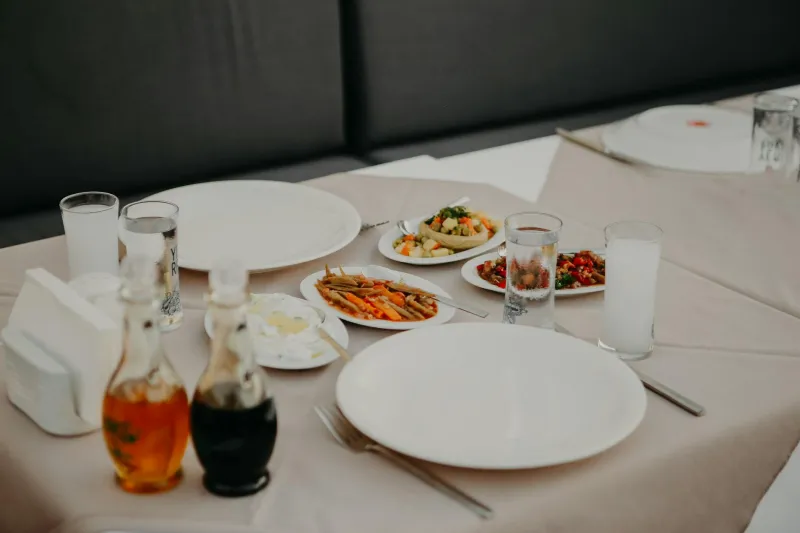
The food arrives, and suddenly your table transforms into a battlefield. Everyone shifts slightly in their seats, angling for optimal access to the plates. Brad from marketing has somehow claimed the seat closest to the burrata, while you're stuck next to the person who "isn't that hungry" but will inevitably eat more than everyone else combined.
Stage 5: Performative Politeness
"Please, take the last piece," everyone insists about everything, while secretly calculating whether they can sneak another bite without looking like a savage. The social contract demands you appear satisfied with your single spoonful of risotto, even though you could eat the entire pan and still have room for the dessert you're definitely not ordering because "we're so full from sharing."
Stage 6: The Aggressive Non-Aggressor
There's always one person who announces they're "not really eating" while systematically demolishing every dish that arrives. They hover over the plates like a well-dressed vulture, claiming they're "just picking" while consuming enough food to feed a small village. This person is why humanity can't have nice things.
Stage 7: Silent Resentment
You watch helplessly as someone takes the last piece of something you barely got to taste. The server asks if you'd like to order more food, and everyone looks around the table with the hollow eyes of people who know they're trapped in a social experiment designed by sadists.
Stage 8: The Bread Lifeline
You begin to view the complimentary bread basket as your primary source of sustenance. Each dinner roll becomes precious cargo. You start breaking them into smaller pieces to make them last longer, while maintaining the facade that you're totally fine with this arrangement.
Stage 9: Financial Horror
The check arrives, and you realize you've paid $47 for the privilege of consuming approximately 200 calories worth of "elevated" food. The math is devastating: you could have ordered your own entrée, eaten until you were actually satisfied, and paid less money. But instead, you participated in this elaborate performance of communal dining that left everyone hungry and resentful.
Stage 10: The Hollow Victory
Everyone agrees that the food was "amazing" and the sharing concept was "so fun." You nod along while secretly planning your drive-through stop on the way home. The server clears the picked-over plates, probably wondering why adults voluntarily choose to eat like Victorian orphans.
Stage 11: The Acceptance
As you sit in the McDonald's parking lot at 10:47 PM, demolishing a Big Mac with the desperation of someone who hasn't eaten a proper meal in hours, you finally achieve clarity. Family-style dining isn't about the food—it's about learning to manage disappointment while maintaining social grace.
You vow that next time, you'll order your own damn entrée. But deep down, you know that when Jessica texts the group about trying that new tapas place, you'll say yes again.
Because apparently, some of us are slow learners when it comes to food-related social torture.
The Food Woke Report reached out to several restaurants for comment on this phenomenon, but they were too busy calculating the profit margins on three-olive appetizers to respond.