The Birth of a Beautiful Lie
It started innocently enough. Sarah's dinner party, 2016. I was tired of being the friend who ate everything, the dietary pushover who accommodated everyone else's needs while having none of my own. When the hostess asked about food restrictions, something possessed me.
"I'm gluten-free," I heard myself say.
The words hung in the air like a perfectly crafted sourdough starter—alive, transformative, and about to change everything.
The Intoxicating Rush of Dietary Specialness
What happened next was nothing short of magical. Suddenly, I wasn't just Mike from accounting. I was Mike-with-needs. Mike-who-required-consideration. Mike-whose-digestive-system-was-a-delicate-snowflake-requiring-careful-navigation.
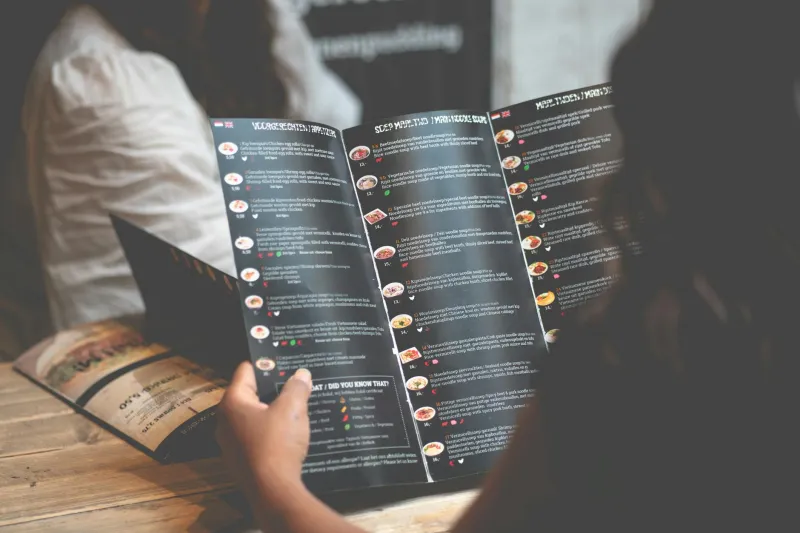
Restaurant servers approached my table with the reverence typically reserved for bomb disposal experts. "Let me check with the kitchen about cross-contamination," they'd whisper, as if my fictional intestines were classified government secrets.
I discovered the incredible power of being the person who made everything complicated. Suddenly, I was important. Relevant. The main character in every dining experience.
The Art of Strategic Suffering
I perfected the performance over months. The careful menu scanning. The concerned furrowing of the brow. The theatrical "Oh, I wish I could, but..." followed by a brave smile that suggested I was courageously bearing an invisible burden.
I learned the language: cross-contamination, dedicated fryers, gluten-free oats. I could discuss the difference between celiac disease and gluten sensitivity with the confidence of someone who had definitely never googled it in a restaurant bathroom.
The best part? The sympathy. Oh, the delicious, unearned sympathy. Friends would text me pictures of gluten-free menu options they'd spotted, like they were sending care packages to a war zone.
Restaurant Roulette: The Ultimate Power Trip
Nothing—and I mean nothing—compared to the restaurant experience. I became the person who could single-handedly determine where a group of twelve people would eat dinner. "Well, we need somewhere that can accommodate Mike's gluten thing," became the rallying cry of every social gathering.
I was the dietary kingmaker, the restriction that ruled them all. Pizza places were eliminated with a casual "Oh, I can't do regular crust." Entire cuisines fell by the wayside. "Italian is tricky for me," I'd sigh, while internally celebrating my newfound veto power over every carb-heavy establishment in the tri-state area.
Waiters would lean in conspiratorially: "Between you and me, our kitchen takes gluten-free very seriously." I'd nod solemnly, as if we were discussing state secrets rather than my completely fabricated digestive limitations.
The Social Currency of Suffering
What I discovered was that dietary restrictions aren't just about food—they're about identity. In a world where everyone's desperately searching for something that makes them special, I'd stumbled upon the perfect solution: medically necessary uniqueness.
I wasn't just avoiding gluten; I was part of a community. A tribe of the digestively disadvantaged, united in our shared struggle against wheat, barley, and rye. I attended gluten-free meetups like I was infiltrating a support group for a condition I'd never experienced.
The online forums were particularly intoxicating. I'd post about "safe" restaurants and "hidden sources" of gluten with the authority of someone whose life depended on this information. The likes and supportive comments fed something deep in my soul that regular social media validation never could.
The Performance Becomes the Person
Somewhere around year three, the lie stopped feeling like a lie. I'd trained myself to feel phantom stomach discomfort when I "accidentally" consumed gluten. The power of suggestion is remarkable—I could work myself into genuine distress over a potentially contaminated french fry.
I carried gluten-free snacks like other people carry emergency medications. I knew which grocery stores had the best selection of alternative flours. I could recommend gluten-free bakeries with the passion of a true convert.
My medicine cabinet looked like a celiac disease starter kit, complete with digestive enzymes I didn't need for a condition I didn't have.
The Reckoning Arrives
Then came the phone call that changed everything.
"Mike, I need to tell you something. I've been having these awful stomach problems, and after months of testing... I have celiac disease."
Jenna. My best friend since college. The person who'd spent seven years accommodating my fictional dietary needs, researching restaurants, bringing gluten-free options to every gathering.
 Photo: Jenna, via static.independent.co.uk
As she described her actual symptoms—the real pain, the genuine fear, the legitimate dietary prison she'd been sentenced to for life—I felt something I hadn't experienced in years: shame.
The Moment of Truth
Sitting in that doctor's office with her (because I was her "gluten-free friend" who could "understand what she was going through"), I watched her receive information that would fundamentally alter her relationship with food forever.
She looked at me with tears in her eyes. "At least I'll have you to help me navigate this."
I should have confessed right then. Should have admitted that my seven-year performance was about to meet someone with actual medical needs. Should have acknowledged that I'd been playing dress-up in someone else's legitimate struggle.
Instead, I nodded supportively and suggested we hit the gluten-free section at Whole Foods.
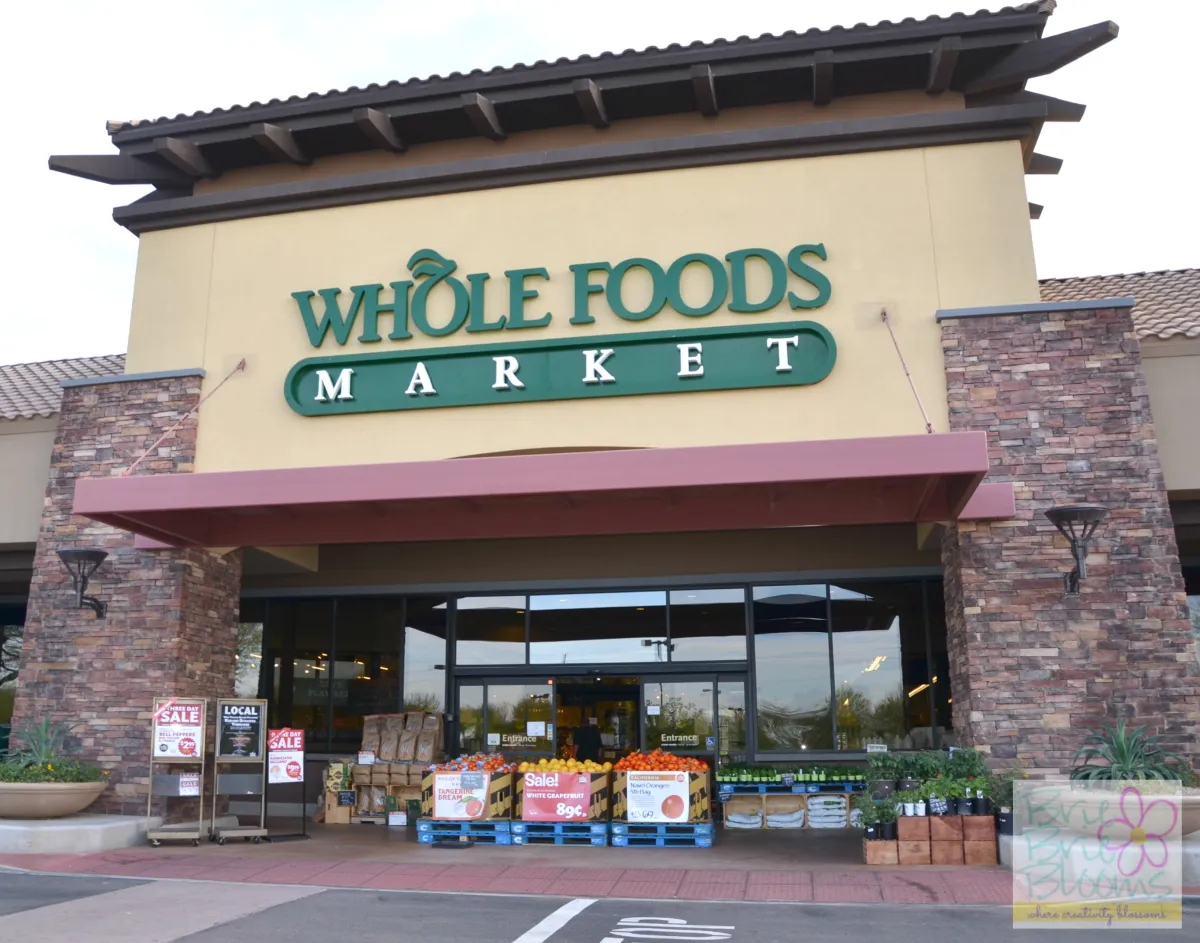 Photo: Whole Foods, via briebrieblooms.com
Living with the Lie
Here's the thing nobody tells you about fake dietary restrictions: the exit strategy is impossible. How do you suddenly "recover" from a lifelong condition? How do you explain that your digestive system has miraculously healed itself without medical intervention?
You don't. You double down.
I'm still gluten-free, at least publicly. I've become a prisoner of my own fictional narrative, trapped in a web of unnecessary dietary limitations that I created for social leverage.
But here's what I've realized: I don't regret it.
The Uncomfortable Truth About Modern Food Culture
My seven-year charade exposed something uncomfortable about our relationship with food and identity. In a culture obsessed with optimization, restrictions, and dietary virtue signaling, having "special needs" isn't just about health—it's about belonging.
We've turned food limitations into personality traits, dietary restrictions into social currencies, and medical conditions into lifestyle brands. I just gamed the system more explicitly than most people.
Every time someone orders a $7 oat milk latte not because they're lactose intolerant but because dairy is "inflammatory," they're playing the same game I played. They're just more socially acceptable about it.
The Power I'll Never Give Up
So yes, I'm still "gluten-free." I still carry the card, navigate the menus, and maintain the performance. Because once you've experienced the intoxicating power of dietary specialness, everything else feels like eating beige food in a beige world.
I may be living a lie, but it's a lie that made me interesting. And in a world where everyone's desperately trying to be special, sometimes fake celiac disease is the most honest thing you can do.
Jenna's doing great, by the way. We're planning to open a gluten-free bakery together.
I haven't told her yet that I'll be learning right alongside her.