I Have Pressed 'Custom Amount' at Every Point-of-Sale Terminal in America and I Am Not Okay
I Have Pressed 'Custom Amount' at Every Point-of-Sale Terminal in America and I Am Not Okay
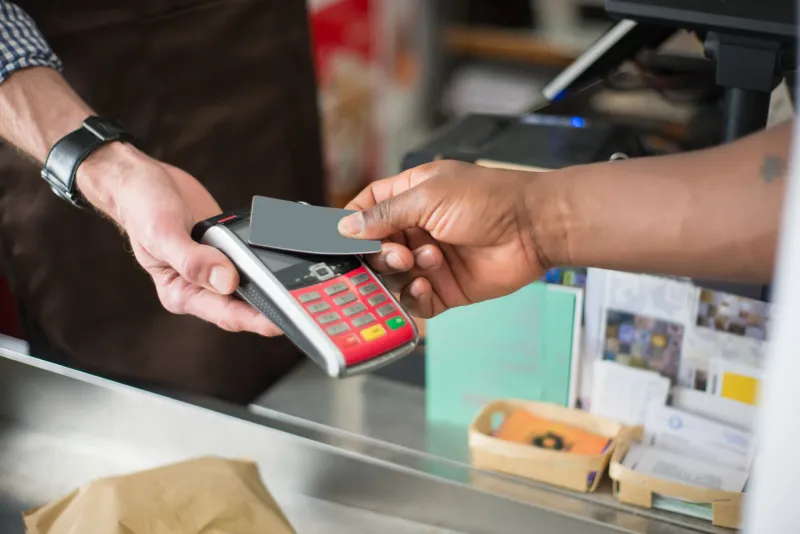
The screen rotates toward me and I become a different person.
Not a worse person, necessarily. Just a more theatrical one. A person who has, over the course of approximately three years, developed what I can only describe as a complete psychological defense infrastructure for navigating the modern tipping industrial complex — complete with rehearsed facial expressions, a decoy phone check maneuver, and a working spreadsheet that I maintain on my laptop at home, alone, on Friday nights, because this is my life now.
The spreadsheet is titled "Moral Survivability Index (Tip Edition)." I am sharing this with you because I need help and also because I think you have one too, even if it only exists in your head.
How It Started
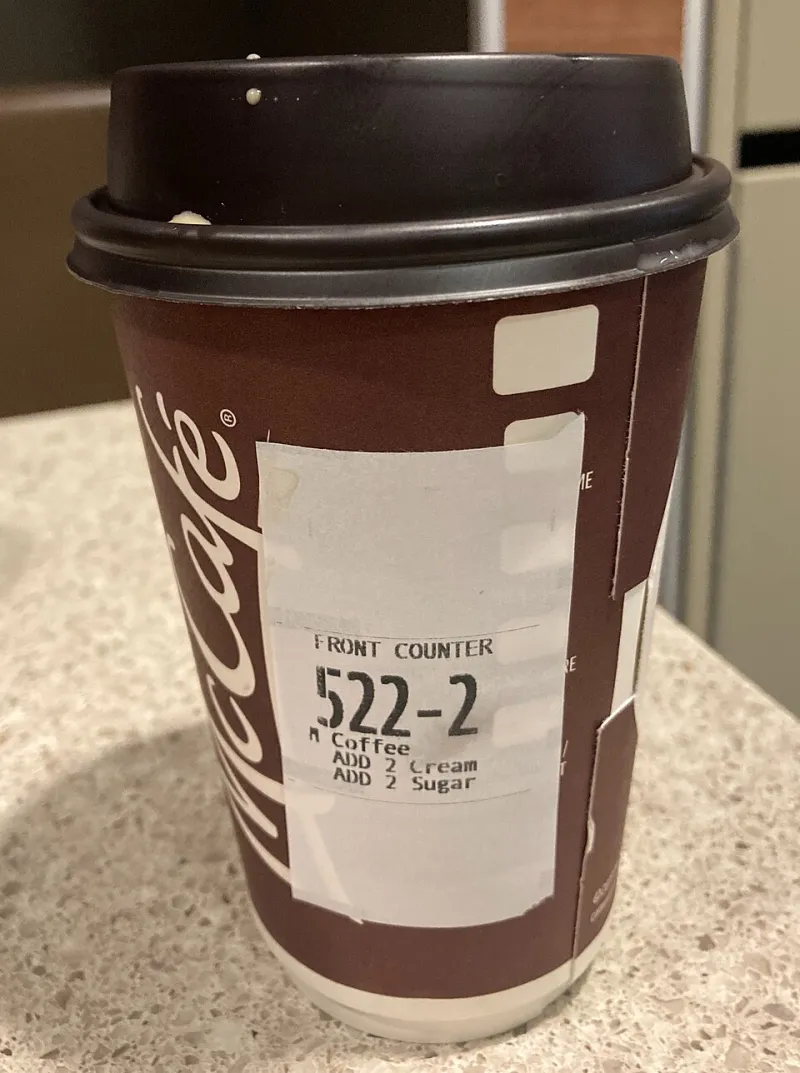
It began innocently, as all psychological unravelings do. A coffee shop. A standard transaction. The barista turned the iPad around and the screen showed me three options: 20%, 25%, and 30%.
No 15%. No 18%. The floor was 20%, and the ceiling was a number that would have required me to re-examine my monthly budget. I was buying a drip coffee. A drip coffee that I had poured myself from a communal carafe on a counter six feet away.
I pressed 20% because I panicked and the barista was right there and I am a coward.
I thought about it for four days.
The Custom Amount Discovery
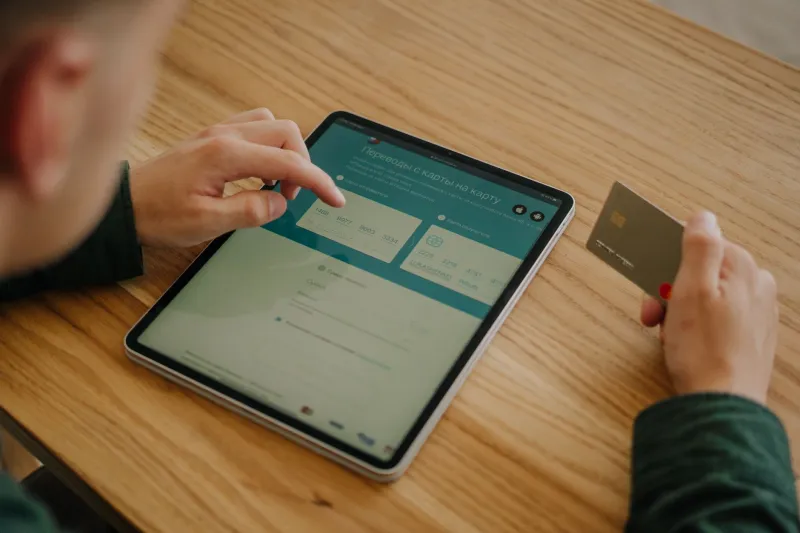
Somewhere in the second month of my psychological deterioration, I found the button. Small, gray, often positioned in the corner of the screen with the visual prominence of a terms-and-conditions checkbox. "Custom Amount."
This button changed everything. This button is the emergency exit of the tipping industrial complex, and almost nobody talks about it because using it requires you to stand at a counter and manually type in a number while a human being watches you, which is, genuinely, one of the most exposed feelings available in modern American commerce.
The screen does not validate your custom entry. It does not say "great choice!" or provide a progress bar. It just accepts your number with the cold neutrality of a DMV kiosk, and then you have to tap "confirm" and maintain eye contact with your own choices.
I type 18%. Always 18%. It is the Switzerland of tip percentages — not aggressive, not embarrassing, defensible at a dinner party. I have typed it into coffee shops, sandwich counters, juice bars, and, on one surreal afternoon in Austin, a candle boutique that had a tip prompt on its payment terminal despite employing exactly one person who had done nothing except hand me a bag.
The Decoy Phone Check
The phone check is essential and I want to document it formally.
When the screen rotates toward me, I have approximately 0.8 seconds before the social pressure of the moment reaches critical mass. In that window, I execute the following sequence: glance at the screen, furrow brow slightly (not too much — confusion, not hostility), reach for phone, appear to check something urgent, return attention to screen with the energy of a person who has just handled a separate and important matter and is now ready to engage with this transaction fresh.
The phone check buys me four to six seconds. In those seconds, I navigate to Custom Amount, type 18%, and confirm before the ambient guilt architecture of the establishment can fully process my intentions.
I have practiced this. In a mirror. I have practiced a tipping maneuver in a mirror.
The Moral Survivability Index, Explained
The spreadsheet has columns. I am not going to pretend it doesn't have columns.
Establishment type is column one. "Full service sit-down" starts at 20% and scales up with meal complexity. "Counter service with table delivery" is 15-18%. "Counter service, you carry your own tray" is the contested territory — the spreadsheet currently lists it as "situational" with three sub-tabs.
The sub-tabs are for: (a) whether the staff seems underpaid and exhausted, (b) whether the establishment is a local independent or a venture-capital-backed "fast casual concept" with a $47 million Series B, and (c) my general emotional state that day, which I have found affects my tipping decisions by approximately 3-4 percentage points in either direction and which I now try to account for in advance.
Column seven is labeled "Witnessed Tip Screen Infractions" and documents establishments that have introduced tip prompts in what I consider jurisdictionally inappropriate contexts. Current entries include: a parking garage payment kiosk, a self-checkout terminal at a grocery store where I scanned every item myself, a vending machine (this one I may have hallucinated), and a car wash where the tip screen appeared after the automated tunnel had already cleaned my car and no human had touched anything.
The Guilt Architecture Problem
Here is the thing I want to say clearly, between the jokes: the problem isn't tipping. Tipping, at its functional core, is fine. The problem is that someone — a designer, a product manager, a startup founder with a vision deck — made a series of deliberate choices about what numbers to show you, in what order, at what size, with what framing, to maximize the psychological pressure of a public transaction.
They chose 20%, 25%, 30% because anchoring theory says you'll pick the middle option. They put the "No Tip" button in small gray text at the bottom because shame is a more reliable conversion mechanism than generosity. They rotate the screen toward you while the employee watches because the social cost of declining is higher than the financial cost of complying.
This is not accidental. This is architecture. And I have been living inside it, pressing Custom Amount and typing 18% into the void, for three years.
Where I Am Now
I still have the spreadsheet. I updated it last week to add a new sub-tab for "food truck tip screens at outdoor festivals," which is its own entire ethical universe that I don't have the emotional bandwidth to address in this piece.
I have gotten faster with the phone check. My Custom Amount entry time is now under three seconds, which I am aware is a skill I have developed instead of, say, learning a language or calling my mother.
The screen will rotate toward me again today. Probably twice. Maybe three times if I stop for coffee.
I will be ready. I am always ready.
18%. Confirm. Receipt emailed.
I'm fine.