The Cult of the Four-Hour Wait: Inside America's Most Dedicated Suffering Enthusiasts
The Pilgrimage Begins at Dawn
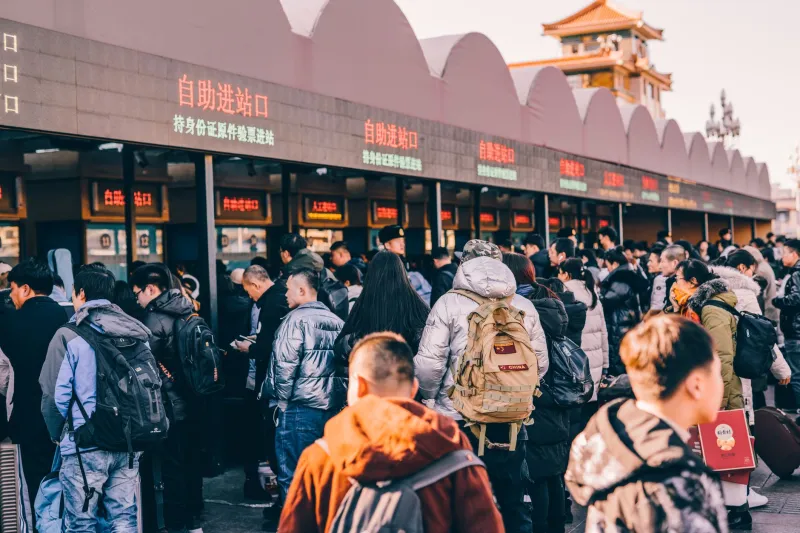
At 6:43 AM on a Saturday, I joined the sacred congregation outside Noodle Enlightenment, a 12-seat ramen shop in Brooklyn that opens at 6 PM and serves approximately 47 bowls before declaring themselves "sold out for the evening." The line already stretched around the block, populated by what I can only describe as America's most committed masochists.
 Photo: Noodle Enlightenment, via e7.pngegg.com
These aren't your average hungry humans. These are the Line Walkers—a dedicated subculture that has elevated waiting into an art form, a spiritual practice, and occasionally, a competitive sport. They don't just want dinner. They want to earn dinner through the ancient ritual of standing very still for very long periods while questioning their life choices.
The Hierarchy of Suffering
Within minutes of joining the queue, I discovered that Line Walking operates on a complex social structure based entirely on endurance credentials. At the top of the food chain are the Legends—people who once waited 14 hours for a cronut or camped outside a pop-up that turned out to be a social media hoax.
Then come the Seasoned Veterans, identifiable by their tactical folding chairs, portable phone chargers, and the dead-eyed stare of people who've seen things. Regular humans like myself occupy the bottom tier, marked by our obvious discomfort and naive questions like "Why don't they just take reservations?"
The answer, I learned from Linda (veteran of 127 no-reservation dining experiences), is that reservations are for "the old system." The new system requires you to prove your devotion through physical sacrifice. "Anyone can make a phone call," she explained while adjusting her third backup battery pack. "But can you stand here for six hours contemplating your relationship with desire itself?"
The Economics of Inconvenience
What's particularly fascinating about the Line Walker economy is how it's inverted traditional supply and demand. The more inconvenient a restaurant makes itself, the more desperately people want to eat there. It's like Stockholm syndrome, but with better Instagram opportunities.
Consider the math: Noodle Enlightenment charges $28 for a bowl of ramen that takes 4.7 minutes to consume. Factor in the six-hour wait, and you're essentially paying $112 per hour for the privilege of eventually eating soup. A Michelin-starred restaurant would be cheaper and infinitely more comfortable, but that's missing the point entirely.
The point, according to Marcus (a software engineer who's waited in line every weekend for eight months), isn't efficiency. It's transformation. "You don't understand," he told me while doing calf stretches against a fire hydrant. "The wait IS the experience. The ramen is just the reward for completing the journey."
The Lies We Tell Ourselves
By hour three, the collective delusion becomes apparent. Everyone in line has developed elaborate justifications for their choice to spend their weekend standing on concrete instead of, say, literally anything else.
"The broth has 48-hour bone depth," whispered Sarah, a marketing executive who'd been there since 5 AM. "You can taste the chef's grandmother's tears."
"This is meditation," declared Brian, shifting his weight for the 847th time. "Ancient monks used to fast for days. I'm just fasting while standing upright."
"The scarcity makes it more meaningful," insisted Jennifer, who admitted she'd never actually finished a bowl because she gets too excited photographing it to remember to eat.
The most common refrain, repeated like a mantra throughout the line, was some variation of "If it wasn't worth it, people wouldn't wait." This circular logic has become the philosophical foundation of the entire movement. The wait validates the experience, and the experience validates the wait. It's beautiful in its complete disconnection from reality.
The Dark Arts of Queue Psychology
Restaurants have become remarkably sophisticated at manufacturing artificial scarcity. They've studied the psychology of delayed gratification and weaponized it against our dopamine receptors. The most successful no-reservation establishments follow a precise formula:
- Extreme Limited Capacity: Never seat more than 30 people per day, regardless of actual kitchen capabilities.
- Mysterious Operating Hours: Post conflicting information about when you're open. Keep people guessing.
- Social Media Breadcrumbs: Share exactly three photos per month of your food, preferably blurry and taken in terrible lighting.
- The Sellout Performance: Always "run out" of signature dishes by 7 PM, ensuring maximum FOMO for tomorrow's queue.
The Support Network
What surprised me most was discovering the underground infrastructure that's evolved to support professional Line Walkers. There are WhatsApp groups dedicated to sharing wait time intelligence. Instagram accounts that track which restaurants are "worth the suffering." Even a subscription service that delivers snacks and entertainment to people in particularly brutal queues.
One entrepreneur has built an entire business around "Wait Coaching"—helping people mentally prepare for extended standing experiences. For $200, she'll teach you breathing techniques, recommend compression socks, and provide a customized playlist designed to "transform waiting from endurance test to spiritual awakening."
The Moment of Truth
After 5 hours and 23 minutes, I finally crossed the threshold into Noodle Enlightenment. The interior was aggressively minimalist—four tables, harsh lighting, and the distinct aroma of someone's life choices. The staff moved with the practiced efficiency of people who've watched thousands of humans sacrifice their Saturday for soup.
The ramen arrived in 3.2 minutes. It was... fine. Not bad. Not transcendent. Just fine. The broth had depth, the noodles had texture, the egg was adequately soft. It was a competent bowl of noodles that would cost $12 at any normal restaurant and wouldn't inspire anyone to wait longer than it takes to find parking.
But here's the thing: everyone around me was having religious experiences. Eyes closed, heads tilted back, soft moaning sounds usually reserved for much more private activities. The wait had transformed adequate ramen into liquid enlightenment through the alchemy of suffered anticipation.
The Addiction Cycle
As I slurped my $28 noodles, I understood why people become Line Walkers. It's not about the food—it's about the story. In a world where everything is available instantly, these people have discovered the intoxicating power of artificial scarcity. They've turned delayed gratification into a lifestyle, suffering into a hobby, and FOMO into a full-time job.
The most dedicated Line Walkers don't even eat at most of the places they wait for. They wait for the sake of waiting, chase lines like other people chase concerts or sporting events. They've gamified discomfort and convinced themselves they're winning.
And maybe they are. In a society that's forgotten how to want things properly, the Line Walkers have rediscovered desire. They just happened to attach it to soup.