Red Flag Ramen: How to Spot When Your 'Authentic' Noodle Shop Is Just Chad's Quarter-Life Crisis
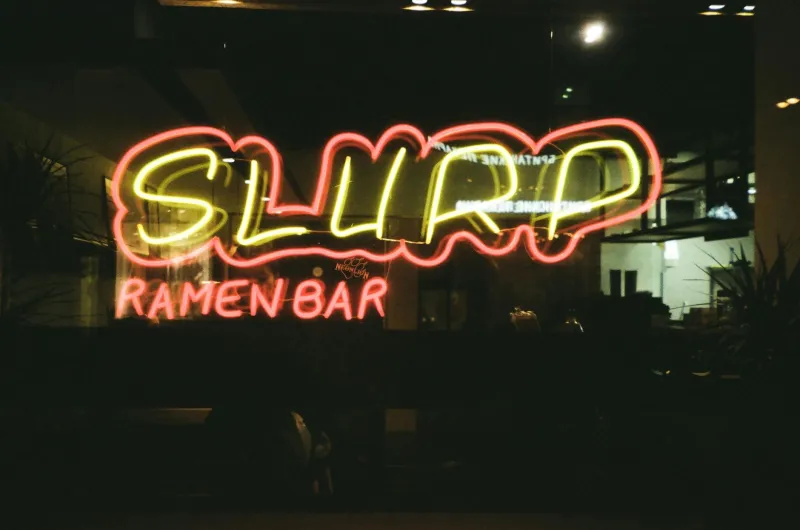
Warning Sign #1: The Origin Story Mentions 'Pivoting'
Authentic ramen masters don't "pivot" into noodles – they're born into them, apprenticed into them, or occasionally guilt-tripped into them by disappointed Japanese grandmothers. If your ramen shop's founding story includes phrases like "market disruption," "scalable passion project," or "authentic experience optimization," you're not eating traditional Japanese cuisine. You're consuming the liquidated assets of someone's LinkedIn profile.
Takeaki's Authentic Ramen Experience (yes, that's really what Chad called it) features a wall-mounted manifesto that begins: "After my startup was acquired, I realized I needed to disrupt the ramen space with intentional, artisanal solutions." The only thing being disrupted here is the Japanese cultural heritage, one venture-capital-funded bowl at a time.
Warning Sign #2: The Broth Took 'Eighteen Months of Iteration'
Real ramen masters perfect their broth through decades of tradition, family recipes, and the kind of patient obsession that can't be quantified in quarterly reports. Tech-bro ramen masters perfect their broth through "eighteen months of iteration," A/B testing on unsuspecting friends, and probably a Slack channel dedicated to "optimizing umami delivery."
If the chef refers to their cooking process as "development cycles" or mentions "beta testing" the tonkotsu, you're not experiencing culinary artistry. You're eating someone's pivot from disrupting the gig economy to disrupting your digestive system.
Warning Sign #3: The Loyalty Program Calls Customers 'Community Stakeholders'
Traditional ramen shops have regular customers. Tech-bro ramen shops have "community stakeholders" who "engage with the brand experience" through a proprietary app that tracks their "noodle journey." If downloading software is required to order soup, you're not in a restaurant – you're in someone's minimum viable product.
Bonus red flag: if the loyalty rewards are described as "unlocking new ramen experiences" rather than just getting a free bowl after ten visits, your chef definitely has a Medium blog about "the intersection of technology and traditional cuisine."
Warning Sign #4: The Interior Design Budget Exceeded Most Restaurants' Annual Revenue
Authentic ramen shops look like they evolved organically over decades – mismatched furniture, walls covered in signatures and photos, the kind of beautiful chaos that happens when function matters more than form. Tech-bro ramen shops look like someone hired a design firm to create "authentic Japanese aesthetic with modern touches," which translates to "$200,000 worth of deliberately distressed wood and Edison bulbs."
If the chopsticks cost more than your car payment and every surface looks like it was photographed for Architectural Digest, you're eating in someone's vision board, not a restaurant.
Warning Sign #5: The Staff Knows Uncomfortably Specific Details About Your Dietary Restrictions
In a real ramen shop, the server might remember that you don't like green onions. In a tech-bro ramen shop, the server greets you by name, knows your usual order, and somehow has access to your complete dietary history, including that time you tried keto for three weeks in 2019.
This isn't hospitality – it's data collection with a side of noodles. If your ramen preferences are being stored in a customer relationship management system, your bowl of soup has become a case study in "leveraging traditional dining experiences through modern consumer insights."
Warning Sign #6: The Menu Features 'Proprietary' Anything
Ramen toppings have been perfected over centuries. There is no need for "proprietary chashu" or "signature methodology" for soft-boiled eggs. If the menu reads like a patent application rather than a food description, you're not experiencing culinary innovation – you're eating someone's intellectual property portfolio.
Real ramen masters don't trademark their techniques. They pass them down through generations or guard them with the fierce loyalty of family secrets. They don't file for copyright protection on their nori placement strategy.
Warning Sign #7: The Founder's Journey Includes a 'Spiritual Awakening' in Shibuya
Every tech-bro ramen origin story includes a pilgrimage to Japan where the founder "discovered authentic ramen culture" and "realized their true calling." This awakening always happens in exactly the same way: a life-changing bowl of ramen in a tiny shop that "you've probably never heard of" but somehow changed everything.
Plot twist: the life-changing ramen was probably at Ichiran, which is basically the McDonald's of Japanese ramen. The spiritual awakening was jet lag and relief at finding something familiar after a week of business meetings about blockchain applications for vending machines.
The Uncomfortable Truth
Here's the thing: some of these tech-bro ramen shops actually serve decent noodles. The problem isn't the food – it's the performance. When someone treats opening a ramen shop like launching a startup, complete with investor pitches about "disrupting traditional dining experiences," they're not preserving culinary culture. They're gentrifying it.
Real authenticity doesn't need a marketing strategy. It doesn't require eighteen months of iteration or a proprietary app. It exists in the patient dedication of masters who learned their craft through years of failure, tradition, and the kind of obsessive attention to detail that can't be optimized through data analytics.
So the next time you see a suspiciously perfect ramen shop with a founder story that reads like a LinkedIn post, remember: you might be eating good noodles, but you're definitely consuming someone else's expensive identity crisis. And honestly? Chad's quarter-life crisis shouldn't cost $18 for a bowl of soup, no matter how "intentional" the egg placement.