Restaurant Week Decoder Ring: What 'Chef's Interpretation' Really Means (Spoiler: You're Getting Pranked)
Restaurant Week Decoder Ring: What 'Chef's Interpretation' Really Means (Spoiler: You're Getting Pranked)
A Forensic Analysis of Culinary Diplomatic Language
Every January and July, American cities transform into battlegrounds of culinary deception, where restaurants deploy Restaurant Week menus like linguistic warfare against unsuspecting diners who genuinely believed they were getting a deal. These carefully crafted documents represent the finest tradition of institutional gaslighting, wrapped in the promise of "accessible fine dining."
After infiltrating seventeen Restaurant Week events across major metropolitan areas, we've compiled the definitive translation guide to decode what these menus are actually telling you.
The Great Translation Project
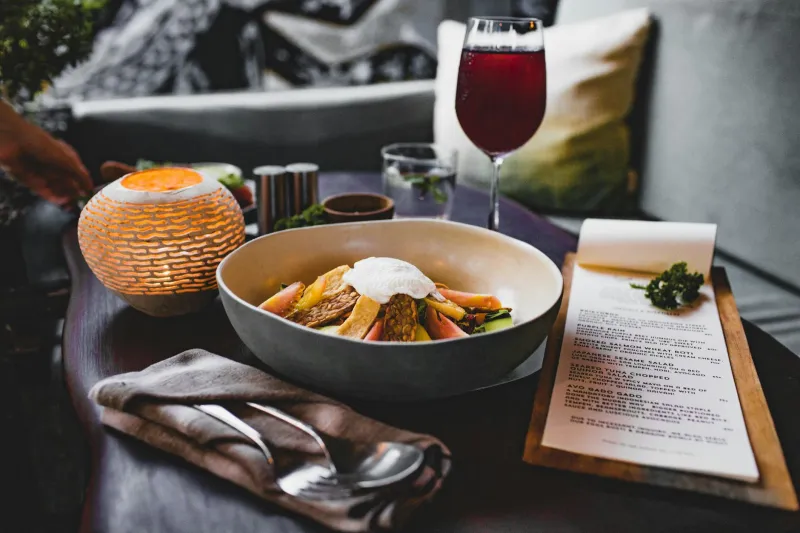
Menu Says: "Chef's Inspired Interpretation of Classic Comfort Food" Reality: The head chef is at a food and wine festival in Napa. This dish was conceived by a line cook named Tyler who watched one Gordon Ramsay YouTube video.
Menu Says: "Locally Sourced Seasonal Accompaniment" Reality: Whatever vegetables were marked down 40% at Restaurant Depot this morning. Could be turnips. Probably is turnips.
 Photo: Restaurant Depot, via www.yeclo.com
Menu Says: "Artisanally Curated Protein Journey" Reality: Three ounces of chicken thigh that costs the restaurant $1.47 to prepare, presented as if it contains the secrets of the universe.
The Psychology of Portion Linguistics
Restaurant Week menus have pioneered a new form of mathematical deception through creative portion description. "Petite portions" sounds charming until you realize you're paying $35 for what amounts to a very expensive appetizer sampler.
"We've trained diners to associate smaller portions with higher sophistication," explains former Restaurant Week coordinator Michael Torres. "The smaller the portion, the more 'curated' we can claim it is. It's basically gaslighting with garnish."
The most insidious example: "Delicate presentation of sustainably sourced protein." Translation: "This fish portion is so small you'll need a magnifying glass to confirm it's actually fish and not just an elaborate vegetable arrangement."
The Bread Basket Disappearing Act
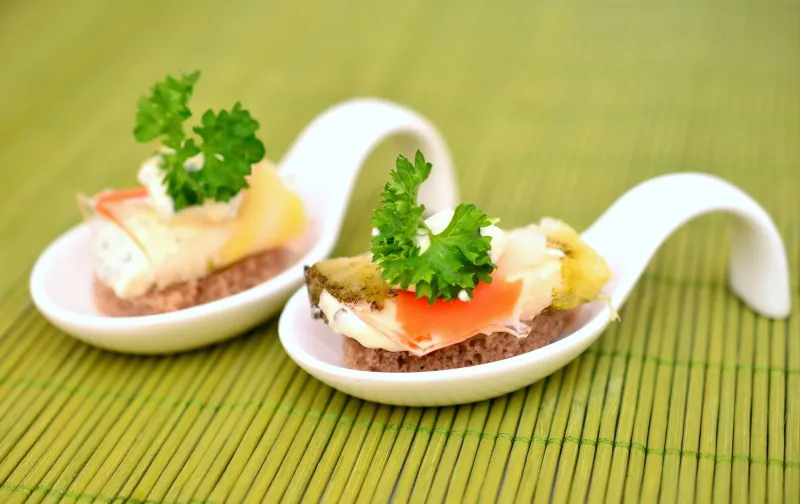
Perhaps the cruelest Restaurant Week tradition is the strategic elimination of the bread basket. Regular menu diners receive complimentary bread. Restaurant Week diners receive "an amuse-bouche to prepare the palate"—typically one spoonful of something that tastes like it was scraped off a cutting board.
"The bread basket is Restaurant Week's biggest tell," reveals former server Amanda Rodriguez. "The moment management says 'no bread for Restaurant Week tables,' you know these people are about to pay premium prices for portions that wouldn't satisfy a particularly small toddler."
Decoding the Wine Pairing Scam
Menu Says: "Carefully Selected Wine Pairings to Complement Each Course" Reality: The sommelier selected these wines based on which bottles have been sitting in the cellar the longest and need to move before they turn to vinegar.
The wine pairing upcharge typically adds $25-40 to your bill for what amounts to three thimbles of wine that the restaurant couldn't sell at full price. These "pairings" often include descriptions like "the earthy undertones complement the dish's rustic presentation," which is sommelier-speak for "we're hoping you won't notice this wine tastes like it was filtered through a gym sock."
The 'Experience' Markup
Restaurant Week has successfully convinced diners that paying regular menu prices for half-portions constitutes an "experience." This psychological manipulation relies on the fear of missing out combined with the desire to feel sophisticated.
"People want to feel like they're getting insider access," explains food marketing consultant Lisa Park. "Restaurant Week creates artificial scarcity around menus that are basically the regular menu with smaller portions and fancier descriptions."
The Three-Course Illusion
The classic Restaurant Week structure—appetizer, entrée, dessert—seems generous until you realize you're essentially paying for a normal meal spread across three tiny plates with extended wait times between courses.
The Appetizer: Usually involves the word "foam" or "reduction." Expect something that looks like modern art but tastes like disappointment.
The Entrée: The protein will be "perfectly prepared" (translation: cooked properly, which apparently deserves special recognition) and accompanied by "seasonal vegetables" (translation: whatever's cheapest this week).
The Dessert: Either a "deconstruction" of something you actually wanted to eat, or a "house-made" item that tastes suspiciously like it came from a Sysco catalog.
The Reservation Hostage Situation
Restaurant Week reservations operate on a different plane of existence, where "7:30 PM" means "sometime between 8:15 and never." The hostess will inform you that your table is "just being cleaned" while gesturing vaguely toward a dining room that appears to have been abandoned since the Carter administration.
 Photo: Carter administration, via k10.targeo.pl
"Restaurant Week turns normally functional restaurants into chaos factories," admits former restaurant manager Kevin Chen. "We'd book twice our normal capacity and just hope for the best. The 'experience' included a lot of standing around looking confused."
Survival Guide for the Brave
If you must participate in Restaurant Week despite these warnings, remember:
- Eat a substantial snack beforehand
- Bring reading material for the extended waits
- Lower your expectations to subterranean levels
- Consider it performance art rather than a meal
- Keep the number for a good pizza place handy
Restaurant Week represents the triumph of marketing over reality, where the promise of "accessible fine dining" becomes an exercise in paying premium prices for the privilege of being confused by your own dinner.
The real tragedy isn't the overpriced portions or the pretentious descriptions—it's that somewhere in America, someone is having a perfectly good meal at a regular restaurant for half the price, and they didn't have to decode a single menu item to get it.